null
How Landlords Can Make Their Buildings More Accessible

How Landlords Can Make Their Buildings More Accessible
Creating an accessible property is no longer just a “nice extra.” For many landlords and property managers, accessibility improvements help attract and retain tenants, reduce liability concerns, improve property value, and create safer, more comfortable spaces for everyone.

Whether you own an apartment complex, office building, retail center, or mixed-use property, improving accessibility can make a major difference in the daily lives of residents, customers, employees, and visitors.

Why Accessibility Matters

Accessible buildings help people with:

  • Mobility limitations
  • Aging-related challenges
  • Temporary injuries
  • Visual or hearing impairments
  • Chronic health conditions

Accessibility improvements also benefit:

  • Parents with strollers
  • Delivery personnel
  • Tenants moving furniture
  • Elderly visitors
  • Customers using carts or rolling equipment

In many cases, accessible features simply make buildings easier and safer for everyone.

Start with Entrances and Doorways

One of the most important accessibility areas is getting into and through the building.

Landlords should evaluate:

  • Step-free entrances
  • Ramp access
  • Handrails
  • Door width
  • Threshold height
  • Door opening force

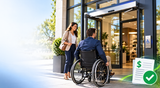
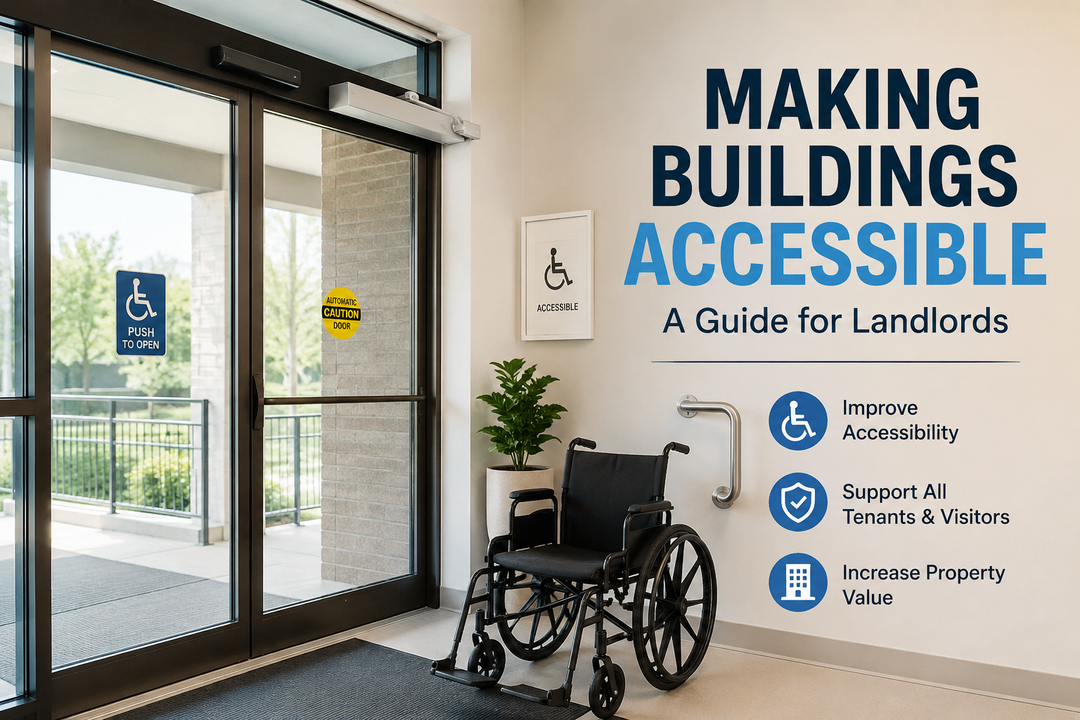
Automatic door openers can dramatically improve accessibility for wheelchair users, elderly tenants, and individuals with limited strength or dexterity.

Popular upgrades include:

  • ADA automatic door operators
  • Push-button door openers
  • Low-energy swing door systems
  • Keypad or touchless entry systems

These improvements are especially valuable in:

  • Apartment common entrances
  • Leasing offices
  • Commercial buildings
  • Medical offices
  • Churches and schools

Improve Bathroom Accessibility

Bathrooms are another critical area for accessibility improvements.

Helpful upgrades include:

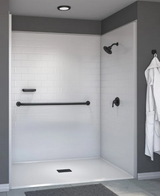
  • ADA-compliant grab bars
  • Roll-in showers
  • Shower seating
  • Handheld shower systems
  • Comfort-height toilets
  • Accessible sinks and vanities
  • Slip-resistant flooring
  • Automatic door openers

For multifamily housing and senior living properties, accessible bathing solutions can significantly improve tenant safety and independence.

Make Hallways and Common Areas Easier to Navigate

Accessible navigation throughout the property is essential.

Consider:

  • Wider hallways
  • Proper turning clearance
  • Elevator accessibility
  • Adequate lighting
  • Non-slip flooring
  • Clear signage
  • Accessible mailboxes and package areas

Even small improvements such as better lighting and reduced trip hazards can help reduce falls and injuries.

Parking and Exterior Accessibility

Exterior accessibility is often overlooked.

Landlords should review:

  • ADA parking spaces
  • Accessible routes from parking areas
  • Curb ramps
  • Sidewalk conditions
  • Exterior lighting
  • Entry slopes
  • Weather protection at entrances

Accessible parking should connect directly to an accessible route into the building without obstacles or unsafe transitions.

Accessibility Technology Is Improving Rapidly

Modern accessibility products are more attractive, reliable, and affordable than ever before.

Today’s solutions include:

  • Smart automatic door systems
  • Touchless activation switches
  • Adjustable-height fixtures
  • Fold-down shower seating
  • Modular ramp systems
  • Wireless access controls

Many products can now be added without major structural renovation.

Accessibility Can Help Property Value and Tenant Retention

Accessible properties often:

  • Appeal to a wider tenant base
  • Better accommodate aging tenants
  • Reduce turnover
  • Improve tenant satisfaction
  • Enhance reputation and reviews
  • Increase long-term usability of the building

As the population ages, accessibility is becoming increasingly important in both residential and commercial real estate.

Understanding ADA and Fair Housing Requirements

Accessibility requirements can vary depending on:

  • Building type
  • Year constructed
  • Public vs. private use
  • Multifamily housing regulations
  • State and local codes

Landlords should consult qualified professionals, contractors, or ADA specialists when evaluating compliance requirements.

Accessibility is not only about legal compliance — it is about creating safer, more welcoming environments for everyone who uses the property.

Small Improvements Can Make a Big Difference

Many accessibility upgrades are simpler than landlords expect.

Even modest improvements such as:

  • Installing grab bars
  • Adding lever door handles
  • Improving lighting
  • Reducing thresholds
  • Adding automatic door openers

can significantly improve usability and safety.

CareProdx Can Help

At CareProDX, we help property owners, facilities managers, churches, schools, healthcare providers, and businesses find accessibility solutions that improve safety, independence, and ease of use.

We offer guidance on:

  • ADA door openers
  • Accessible shower systems
  • Grab bars and bathroom safety
  • Commercial accessibility solutions
  • Product compatibility and selection

Our team is available to help customers choose solutions that fit their building, budget, and accessibility goals.

Please give us a call, we love to help.  800-413-3302

19th May 2026 Mark

Recent Posts

google-site-verification: google6170e9e5dda5de42.html